Always On, Always Anxious: The Hidden Mental Health Cost of Communication Overload
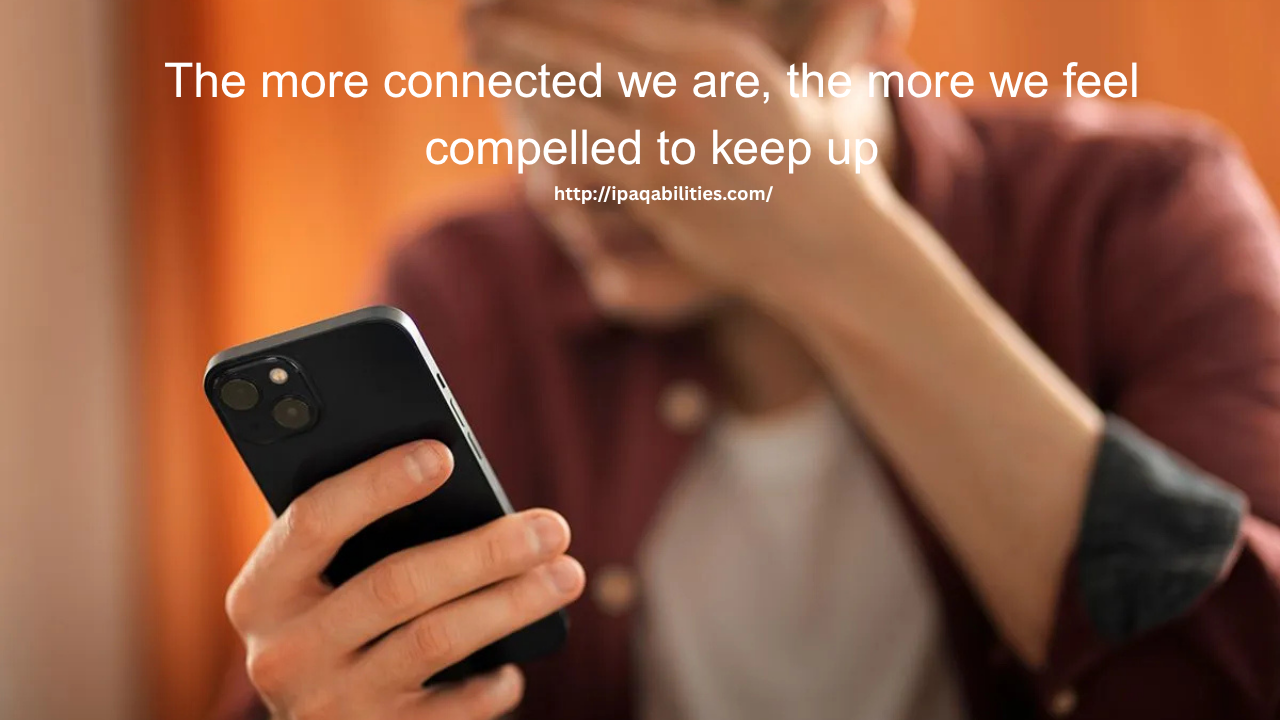
In an era where smartphones, laptops, and smartwatches keep us connected around the clock, many of us are experiencing a new kind of mental strain—communication overload. We are constantly sending texts, replying to emails, participating in group chats, and scrolling through social media feeds. While this digital connectivity keeps us informed and engaged, it also comes with a hidden cost: rising levels of stress, anxiety, and emotional exhaustion. The feeling of being “always on” is quietly taking a toll on our mental health.
The Pressure of Constant Availability
Modern communication tools have blurred the lines between work and personal life. It’s no longer unusual to receive work emails after dinner, respond to texts while trying to relax, or check notifications first thing in the morning. This expectation of constant availability creates a relentless cycle of engagement, leaving little room for mental rest. Over time, this leads to what experts call “technostress”—a unique form of anxiety linked to the overuse of digital communication.
The more connected we are, the more we feel compelled to keep up. This pressure can cause chronic worry about missed messages, delayed responses, or being left out of important conversations. The result is a persistent state of low-level stress that can accumulate into larger mental health issues, such as burnout, anxiety disorders, and even depression.
Notifications and the Anxiety Loop
Every ping, buzz, or alert triggers a small surge of adrenaline. These notifications activate the brain’s fight-or-flight response, keeping us in a state of hyper-vigilance. This loop—receive a message, respond, wait for the next—creates a cycle that is difficult to break. Even when devices are silent, many people experience “phantom notifications,” feeling vibrations or hearing sounds that aren’t there. This is a clear sign of how deeply communication overload has penetrated our minds.
The Erosion of Attention and Rest
Our brains are not built to handle constant interruptions. Multitasking between messages, emails, and notifications can fragment our attention and reduce our ability to focus on deeper tasks. This mental fragmentation can lead to cognitive fatigue, making it harder to concentrate, retain information, or be creative. Moreover, the lack of downtime disrupts the brain’s natural recovery process, preventing us from fully unwinding, even during rest periods.
Reclaiming Control Over Communication
To reduce the mental health impact of communication overload, it’s important to set boundaries. Turning off non-essential notifications, scheduling specific times to check messages, and creating “offline zones” during meals or before bedtime can help break the always-on cycle. Practicing mindfulness and being intentional about device use can also ease the psychological burden.
Equally important is prioritizing real-world connections. Face-to-face conversations, nature walks, hobbies, and moments of quiet reflection can provide the emotional relief that digital interactions often cannot.
Conclusion
While digital communication has revolutionized the way we connect, it has also introduced new mental health challenges. By recognizing the hidden costs of constant connectivity and taking steps to manage our digital habits, we can protect our mental well-being and find healthier ways to engage with the world—both online and off.