The Silent Strain: The Mental Health Consequences of Digital Communication Dependence
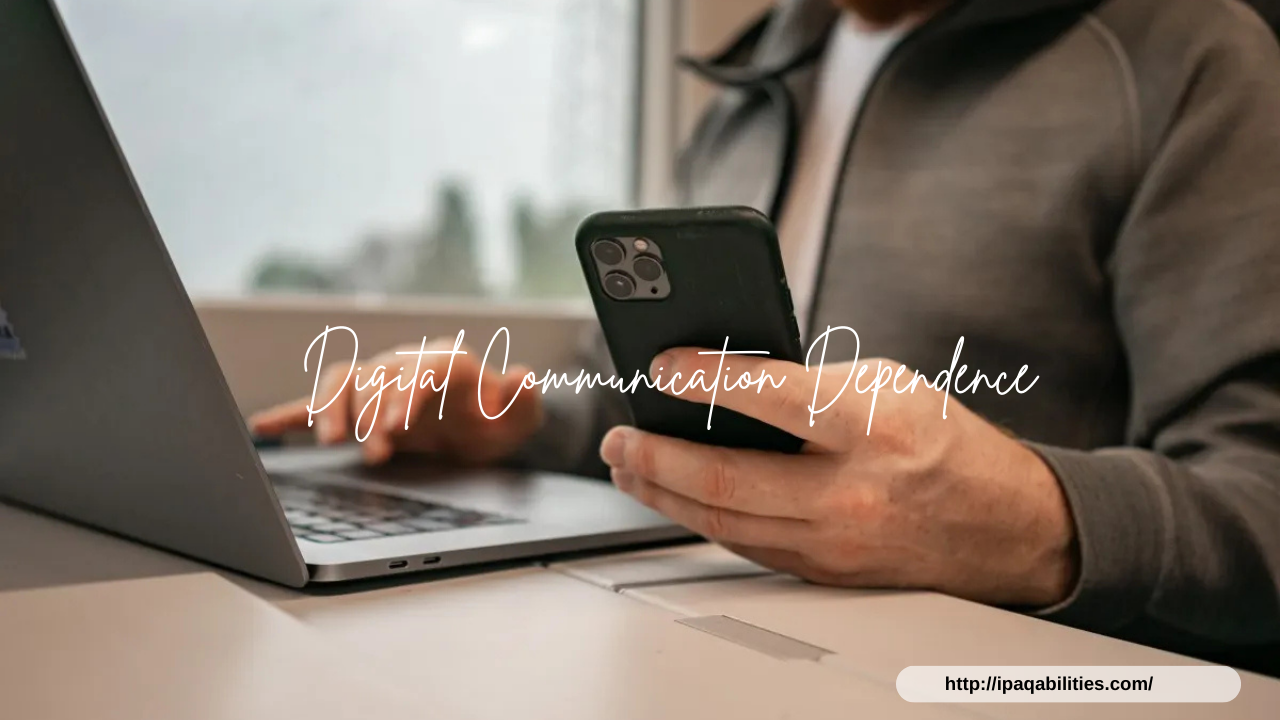
In today’s fast-moving world, smartphones, social media, and instant messaging have become part of daily life. They keep us connected, informed, and entertained. Yet, beneath this constant flow of communication lies a hidden cost. Overreliance on digital communication can lead to anxiety, depression, and feelings of isolation. For those already struggling with addiction or mental health challenges, this dependence can quietly undermine emotional stability and slow the path to recovery.
At IPAQ Abilities, we understand that mental wellness is not just about breaking free from addiction but also about healing the mind and body in a holistic way. The impact of digital dependency is real, and addressing it is an important step toward lasting recovery.
The Link Between Digital Communication and Mental Health Strain
Excessive use of communication devices can blur the line between healthy connection and emotional exhaustion. Notifications, constant updates, and the pressure to respond quickly keep the brain in a state of alert. Over time, this can elevate stress hormones, disturb sleep patterns, and worsen symptoms of anxiety or depression.
For those in addiction recovery, this state of constant mental stimulation can be particularly harmful. It can lead to emotional fatigue, making it harder to focus on therapy, build coping strategies, or engage in meaningful in-person relationships.
Why Digital Overload Hits Harder in Recovery
Triggers and Emotional Overload
Many recovering individuals use digital communication as a way to escape boredom, loneliness, or stress. Unfortunately, the endless stream of online content can trigger cravings, promote unhealthy comparisons, and increase feelings of inadequacy.
Disconnection from Real-Life Support
While online contact can be helpful, it cannot replace the depth and trust of face-to-face connections. Overreliance on screens can unintentionally reduce the quality of real-world interactions, which are essential for a strong support network.
Impact on Mindfulness and Healing
Recovery often requires mindful engagement with daily life, therapy, and personal growth. Constant phone use disrupts focus, making it more difficult to be present during recovery activities like group sessions, meditation, or prayer.
Building Healthier Communication Habits
At IPAQ Abilities, we help clients develop balanced, intentional relationships with technology. This is not about cutting devices out completely but about creating healthy boundaries.
Practical Steps Include:
- Designated Device-Free Times: Setting specific hours to unplug and focus on in-person connection.
- Mindful Messaging: Pausing before responding to messages to avoid reactive or stress-driven communication.
- Replacing Screen Time: Engaging in hobbies, physical activity, or spiritual practices that promote emotional resilience.
The Holistic Approach to Healing
Our faith-based, individualized programs address more than just the surface symptoms of addiction. We focus on the whole person—mind, body, and spirit—helping clients break free from unhealthy habits, including digital overuse. Through inpatient and outpatient care, therapy, and supportive community environments, we create space for deep healing and authentic connection.
Taking the Next Step
If you or someone you love is struggling with addiction and feeling the weight of constant digital connection, know that you are not alone. The path to recovery is about finding balance, rebuilding relationships, and restoring mental clarity. At IPAQ Abilities, our compassionate team is here to guide you toward a healthier, more connected life—one that supports both your mental wellness and your recovery journey.
Reach out to us today and take the first step toward lasting healing.