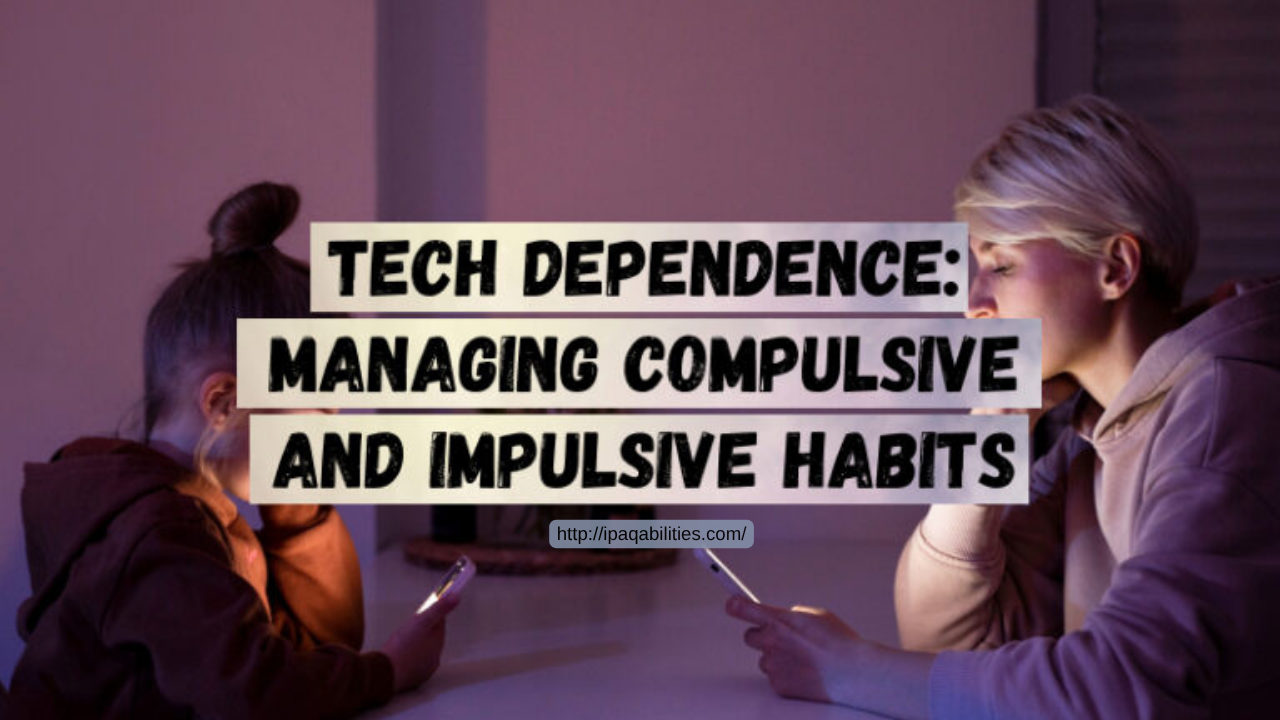
Digital Overload Disorder: How Constant Connectivity Is Quietly Reshaping Our Mental Health
Standard post by Temp35 on October 28, 2025
Comments are off for this post

In today’s hyperconnected world, smartphones, social media, and instant messaging have become central to our daily lives. While these tools offer convenience and connection, they can also contribute to a less visible, but serious, mental health challenge: digital overload disorder. The constant demand to respond, engage, and stay updated creates stress, anxiety, and emotional fatigue, quietly reshaping the way we experience mental wellness.
At IPAQ Abilities, we recognize that mental health is a cornerstone of recovery. Addiction healing is not only about breaking free from substances but also about addressing habits that disrupt emotional balance. Understanding the hidden effects of constant connectivity is an essential step toward achieving holistic wellness.
What Is Digital Overload Disorder?
Digital overload disorder refers to the mental and emotional strain caused by excessive exposure to communication technology. Notifications, messages, and alerts keep the brain in a continuous state of alertness. Over time, this persistent stimulation can lead to anxiety, irritability, and burnout.
For individuals in recovery, digital overload is more than a nuisance. It can interfere with coping mechanisms, reduce focus in therapy, and increase vulnerability to relapse. Recognizing the signs early is key to maintaining both mental wellness and recovery progress.
How Constant Connectivity Impacts Mental Health
Anxiety and Emotional Fatigue
The pressure to respond immediately or stay engaged online activates the brain’s stress response. Each notification signals urgency, leaving little time for rest or reflection. Over time, this creates emotional fatigue and heightened anxiety.
Sleep Disruption
Late-night scrolling, endless notifications, and work messages can disrupt sleep cycles. Poor sleep affects emotional regulation, memory, and overall resilience, all of which are crucial in recovery.
Impaired Focus and Presence
Recovery requires mindful engagement in therapy, self-reflection, and healthy routines. Constant digital distractions can make it difficult to stay present, reducing the effectiveness of treatment and support systems.
Shallow Connections
While digital communication keeps people connected superficially, it often lacks depth. In-person interactions and supportive community relationships provide the emotional nourishment essential for mental health and recovery.
Practical Strategies to Manage Digital Overload
Managing technology use effectively does not mean eliminating it entirely. Intentional, mindful use can protect mental health and enhance recovery outcomes.
- Set Technology-Free Times: Allocate periods during the day to step away from devices, especially during meals, therapy sessions, or bedtime.
- Silence Non-Essential Notifications: Reduce constant interruptions to maintain focus and emotional calm.
- Prioritize Offline Activities: Exercise, journaling, spiritual practices, and hobbies help restore balance and reduce digital fatigue.
- Engage in Meaningful Connections: Face-to-face conversations provide deeper emotional support than online interactions.
IPAQ Abilities’ Holistic Approach
At IPAQ Abilities, we approach recovery through a holistic lens, addressing mind, body, and spirit. Our faith-based, individualized programs, combined with inpatient and outpatient care, equip clients with the tools to manage modern challenges like digital overload. By establishing healthy routines and boundaries, clients can strengthen emotional resilience, maintain focus, and enhance overall well-being.
Taking the Next Step
Digital overload disorder is a modern mental health challenge, but it is manageable with the right support and strategies. If constant connectivity is affecting your emotional health or recovery journey, know that help is available.
At IPAQ Abilities, our compassionate team is ready to guide you toward balance, peace, and lasting wellness. Reach out today to begin your journey toward healthier habits, stronger emotional resilience, and a life free from the hidden pressures of constant digital connection.