Month: August 2025

Trapped in the Notification Loop: Communication Overload and Its Mental Health Fallout

Standard post by on August 31, 2025
Comments are off for this post


The steady buzz of a smartphone has become the soundtrack of modern life. Emails, texts, and social media notifications compete for our attention from the moment we wake up until we fall asleep. While these tools were created to help us stay connected, their constant demands can quietly erode mental well-being. For individuals in recovery, the nonstop flood of digital communication can heighten stress, increase anxiety, and make it harder to focus on healing.

At IPAQ Abilities, we understand that recovery is about more than breaking free from addiction. It is about restoring balance in the mind, body, and spirit. Addressing the hidden impact of communication overload is an essential part of building a healthier life.

The Mental Strain of Constant Notifications

Every ping or vibration signals the brain to shift attention. Over time, this creates a cycle of constant alertness that leaves little room for calm or reflection. The pressure to respond quickly or stay up to date can generate feelings of anxiety and restlessness. Instead of feeling supported by technology, many people feel trapped in a loop that drains focus and energy.

For those in addiction recovery, this state of overstimulation can interfere with progress. Triggers are more difficult to manage when the mind is exhausted, and emotional resilience is harder to maintain when stress levels remain high.

Why Overload Feels Heavier in Recovery

Emotional Overstimulation

During recovery, the brain is working to rebuild healthier patterns of thought and behavior. The constant influx of messages, alerts, and updates adds unnecessary mental clutter. This makes it harder to process emotions, engage in therapy, or stay present in daily life.

Sleep Disruption

Many people keep their phones nearby at night, but late-night notifications and screen use can disrupt natural sleep cycles. Poor rest weakens emotional regulation, leaving individuals more vulnerable to stress, cravings, and negative thought patterns.

Disconnection from Real Support

Ironically, communication overload can leave people feeling disconnected. While digital conversations may be constant, they often lack the depth of face-to-face connection. In recovery, meaningful support from peers, family, and community is vital. Technology should support these bonds, not replace them.

Finding Freedom from the Notification Loop

Breaking free from communication overload does not mean abandoning technology altogether. It means setting healthy boundaries that create space for rest, reflection, and real connection.

Practical Steps to Try

  • Silence non-essential notifications: This reduces mental interruptions and creates calm.
  • Designate device-free times: Meals, therapy sessions, and evenings are good moments to unplug and focus on connection.
  • Create a bedtime routine without screens: This supports better sleep and emotional recovery.
  • Choose intentional communication: Instead of reacting instantly, take time to respond thoughtfully.

The Holistic Approach at IPAQ Abilities

At IPAQ Abilities, we take an individualized and holistic approach to treatment. Our faith-based programs, inpatient and outpatient care, and mental health services all recognize that technology habits play a role in overall wellness. By helping clients set boundaries and develop healthier routines, we create space for lasting recovery and deeper personal growth.

Take the Next Step Toward Balance

If you feel overwhelmed by constant notifications and the mental strain of always being connected, you are not alone. Recovery is about reclaiming control over all aspects of life, including technology use. At IPAQ Abilities, our compassionate team is here to guide you toward balance, healing, and renewed strength.

Reach out to us today to learn how we can support your journey toward recovery and holistic wellness.

Overconnected, Overwhelmed: Battling the Psychological Toll of Too Much Tech

Standard post by on August 20, 2025
Comments are off for this post


Technology has transformed the way we live, work, and connect. Smartphones, social media, and instant messaging make it possible to stay in touch with anyone at any time. Yet this constant access comes with a hidden cost. When our days revolve around endless notifications and screen time, mental health often suffers. Feelings of anxiety, stress, and disconnection are increasingly linked to our dependence on digital devices. For those facing addiction or working toward recovery, the impact of overconnection can be especially challenging.

At IPAQ Abilities, we know that true healing requires more than treating symptoms. It means addressing the underlying habits that fuel stress, isolation, and unhealthy coping. Understanding the psychological toll of too much technology is an important step toward creating balance and finding peace.

The Hidden Mental Health Impact of Overconnection

Too much technology use can feel harmless at first. Checking emails before bed, scrolling through social media during meals, or responding to messages right away may seem like small choices. Over time, though, these habits create constant mental stimulation. The brain is never truly at rest, which leads to increased stress levels, disrupted sleep, and decreased focus.

For individuals already navigating addiction or mental health challenges, this overstimulation can make recovery more difficult. Constant alerts and online comparison can worsen feelings of inadequacy, trigger cravings, or heighten anxiety. Instead of feeling connected, many people describe feeling overwhelmed, drained, and emotionally isolated.

Why Recovery Requires Mindful Technology Use

Emotional Triggers in the Digital World

Social media platforms and messaging apps can unintentionally act as triggers. Posts about partying, alcohol, or substance use can spark cravings. Even unrelated content, such as unrealistic portrayals of success or happiness, can feed self-doubt. This makes mindful technology use a key part of a strong recovery plan.

Loss of Presence and Connection

Recovery thrives on meaningful relationships, community support, and self-reflection. Technology, while useful, often pulls us away from these essentials. Instead of engaging fully in therapy sessions, support groups, or family time, individuals may find themselves distracted by their devices. This disconnect can slow progress and hinder emotional healing.

The Stress of Always Being Available

Technology creates an unspoken expectation of constant availability. Work emails, text messages, and notifications do not stop, leaving many people unable to fully relax. This constant state of alertness fuels stress and prevents the body and mind from experiencing true rest.

Finding Balance: Practical Steps Toward Digital Wellness

At IPAQ Abilities, we encourage clients to view technology as a tool rather than a controlling force. Here are some practical strategies we share:

  • Set screen-free times: Choose parts of the day, such as meals or evenings, to put devices aside and focus on face-to-face connection.
  • Turn off non-essential notifications: Reducing digital noise creates space for calm and focus.
  • Engage in offline activities: Replace screen time with hobbies, exercise, or spiritual practices that support emotional resilience.
  • Practice mindful communication: Pause before responding to messages to ensure communication aligns with your recovery goals.

A Holistic Path to Healing

At IPAQ Abilities, our faith-based, individualized approach recognizes that recovery is not just about breaking free from addiction. It is about restoring balance in every part of life. Through inpatient and outpatient care, mental health treatment, and holistic therapies, we help clients reclaim control over habits that may interfere with healing, including unhealthy technology use.

Taking the Next Step

If you feel overconnected and overwhelmed, know that you are not alone. The psychological toll of too much tech is real, but with the right guidance and support, it is possible to find balance. At IPAQ Abilities, we are committed to helping individuals heal the mind, body, and spirit. Together, we can build healthier patterns, stronger connections, and a renewed sense of peace.

Reach out to us today to learn how our compassionate team can support your journey toward recovery and mental wellness.

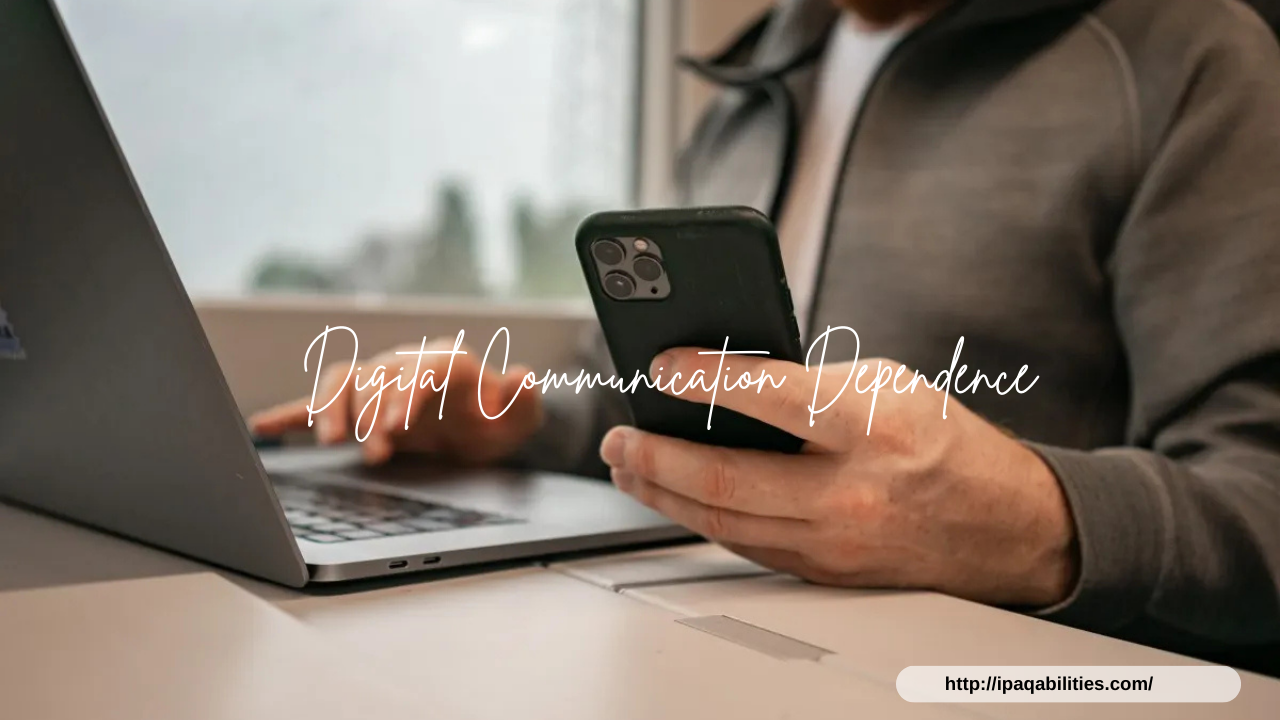
The Silent Strain: The Mental Health Consequences of Digital Communication Dependence

Standard post by on August 12, 2025
Comments are off for this post


In today’s fast-moving world, smartphones, social media, and instant messaging have become part of daily life. They keep us connected, informed, and entertained. Yet, beneath this constant flow of communication lies a hidden cost. Overreliance on digital communication can lead to anxiety, depression, and feelings of isolation. For those already struggling with addiction or mental health challenges, this dependence can quietly undermine emotional stability and slow the path to recovery.

At IPAQ Abilities, we understand that mental wellness is not just about breaking free from addiction but also about healing the mind and body in a holistic way. The impact of digital dependency is real, and addressing it is an important step toward lasting recovery.

The Link Between Digital Communication and Mental Health Strain

Excessive use of communication devices can blur the line between healthy connection and emotional exhaustion. Notifications, constant updates, and the pressure to respond quickly keep the brain in a state of alert. Over time, this can elevate stress hormones, disturb sleep patterns, and worsen symptoms of anxiety or depression.

For those in addiction recovery, this state of constant mental stimulation can be particularly harmful. It can lead to emotional fatigue, making it harder to focus on therapy, build coping strategies, or engage in meaningful in-person relationships.

Why Digital Overload Hits Harder in Recovery

Triggers and Emotional Overload

Many recovering individuals use digital communication as a way to escape boredom, loneliness, or stress. Unfortunately, the endless stream of online content can trigger cravings, promote unhealthy comparisons, and increase feelings of inadequacy.

Disconnection from Real-Life Support

While online contact can be helpful, it cannot replace the depth and trust of face-to-face connections. Overreliance on screens can unintentionally reduce the quality of real-world interactions, which are essential for a strong support network.

Impact on Mindfulness and Healing

Recovery often requires mindful engagement with daily life, therapy, and personal growth. Constant phone use disrupts focus, making it more difficult to be present during recovery activities like group sessions, meditation, or prayer.

Building Healthier Communication Habits

At IPAQ Abilities, we help clients develop balanced, intentional relationships with technology. This is not about cutting devices out completely but about creating healthy boundaries.

Practical Steps Include:

  • Designated Device-Free Times: Setting specific hours to unplug and focus on in-person connection.
  • Mindful Messaging: Pausing before responding to messages to avoid reactive or stress-driven communication.
  • Replacing Screen Time: Engaging in hobbies, physical activity, or spiritual practices that promote emotional resilience.

The Holistic Approach to Healing

Our faith-based, individualized programs address more than just the surface symptoms of addiction. We focus on the whole person—mind, body, and spirit—helping clients break free from unhealthy habits, including digital overuse. Through inpatient and outpatient care, therapy, and supportive community environments, we create space for deep healing and authentic connection.

Taking the Next Step

If you or someone you love is struggling with addiction and feeling the weight of constant digital connection, know that you are not alone. The path to recovery is about finding balance, rebuilding relationships, and restoring mental clarity. At IPAQ Abilities, our compassionate team is here to guide you toward a healthier, more connected life—one that supports both your mental wellness and your recovery journey.

Reach out to us today and take the first step toward lasting healing.

Ping Fatigue: How Constant Connectivity Is Quietly Draining Our Minds

Standard post by on August 1, 2025
Comments are off for this post


In today’s digital world, the familiar ping of a smartphone notification is almost impossible to ignore. Whether it’s a message from a friend, a work email, a calendar reminder, or a social media alert, we’re bombarded with notifications all day long. While these digital pings are designed to keep us informed and engaged, they’re also contributing to a modern mental health phenomenon known as ping fatigue—a state of emotional and cognitive exhaustion caused by constant connectivity.

The Inescapable Flow of Notifications

We live in an era where being reachable at all times is considered normal, even expected. With communication apps, messaging platforms, and social media tools installed on every device, we’re rarely ever “offline.” Each ping demands our attention, pulling us away from whatever we’re doing. This non-stop influx of alerts can disrupt focus, interrupt sleep, and make it difficult to engage fully in real-life conversations or activities.

This kind of persistent digital engagement overstimulates the brain. Our nervous system reacts to each notification as a potential task or responsibility, releasing stress hormones like cortisol. Over time, these constant micro-stressors accumulate, leading to fatigue, irritability, and burnout—even if we’re not consciously aware of it.

The Impact on Mental Health and Well-being

Ping fatigue doesn’t just tire us out—it slowly chips away at our mental well-being. The pressure to respond quickly to every message or email can create anxiety and a fear of falling behind. We may feel guilty for not replying immediately, or worry that we’re missing something important. This persistent state of digital alertness prevents the mind from entering a state of true rest.

Moreover, research shows that frequent interruptions from notifications can lead to reduced productivity, difficulty concentrating, and impaired memory. Our brains are not wired to multitask as much as we try to make them. Constantly switching attention between tasks and pings results in what experts call “attention residue”—a mental hangover that reduces efficiency and increases stress.

Sleep Disruption and Emotional Strain

Perhaps one of the most damaging effects of ping fatigue is its impact on sleep. Many people keep their devices within reach at night, often checking messages or scrolling through apps before bed. The blue light emitted from screens interferes with melatonin production, while the mental stimulation from notifications delays the onset of sleep. Poor sleep, in turn, weakens emotional regulation and heightens anxiety.

Additionally, the emotional toll of being constantly “on” can lead to a feeling of being overwhelmed or emotionally numb. Relationships suffer, creativity declines, and we may find ourselves detached from the present moment—physically here, but mentally somewhere else.

Reclaiming Peace in a Noisy Digital World

Combating ping fatigue requires intention. Turning off non-essential notifications, using “Do Not Disturb” modes, and setting aside tech-free time each day can help restore balance. Establishing screen boundaries—especially in the evening—can protect your sleep and recharge your mental energy.

In conclusion, while connectivity keeps us informed, too much of it can quietly drain our minds. Recognizing the signs of ping fatigue and taking steps to unplug regularly can protect your mental wellness and help you reclaim a calmer, more focused life.