Screens in Hand, Stress in Mind: How Technology Dependency is Affecting Mental Health
Standard post by Temp35 on June 8, 2025
Comments are off for this post
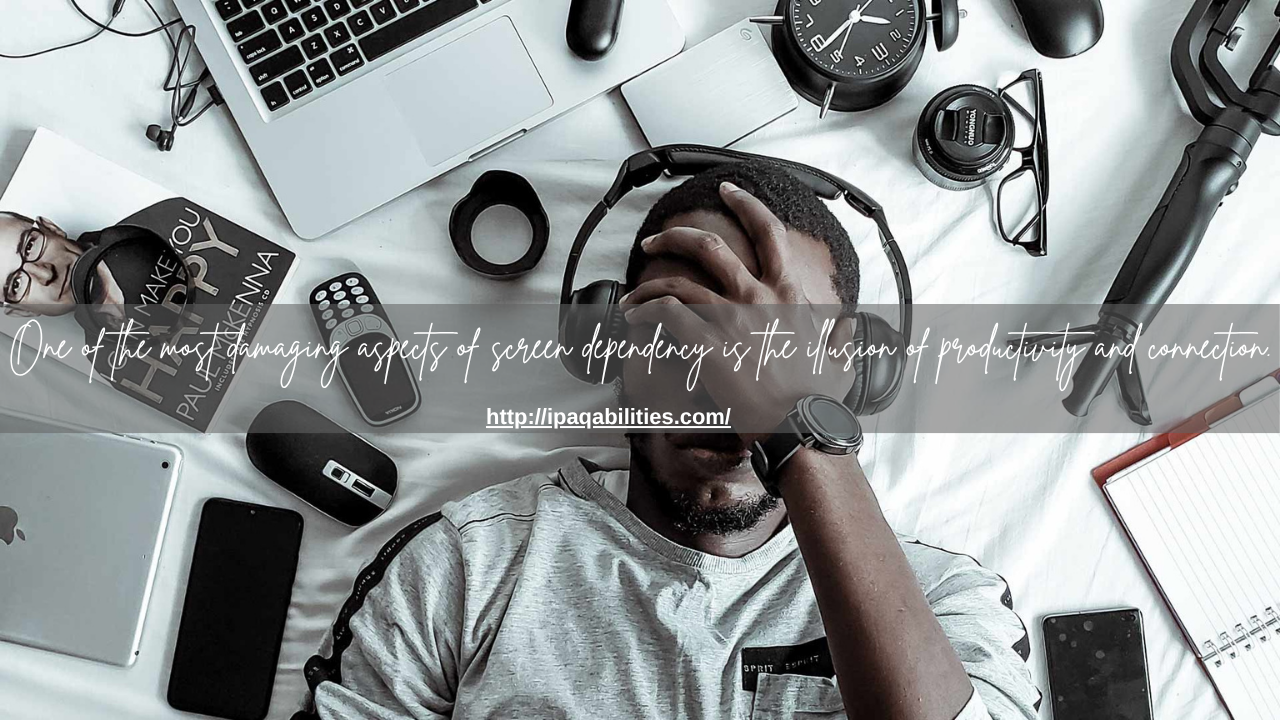
In today’s fast-paced digital world, screens have become extensions of ourselves. Whether it’s smartphones, tablets, or computers, these devices are tools we rely on for work, communication, entertainment, and even relaxation. While the convenience and efficiency of technology are undeniable, our growing dependency on screens is starting to take a toll on our mental health. From increased anxiety to decreased attention span, the effects of screen time are more serious than they may seem at first glance.
The Constant Presence of Screens
On average, people spend several hours a day staring at screens, often shifting between social media, emails, news, and streaming platforms. For many, screens are the first thing they see in the morning and the last thing they see at night. This continuous exposure overstimulates the brain and makes it difficult to disconnect and unwind. Over time, this can lead to mental fatigue, emotional exhaustion, and chronic stress.
One of the most damaging aspects of screen dependency is the illusion of productivity and connection. We may feel busy or engaged while juggling apps and notifications, but this kind of multitasking often leads to decreased focus and increased anxiety. The constant stream of digital content doesn’t give the mind a chance to rest, making it harder to concentrate or be present in the moment.
Anxiety and the Pressure to Stay Connected
Social media, messaging apps, and real-time notifications contribute to a sense of urgency that can be mentally draining. People often feel pressure to respond instantly, stay updated, and maintain their online presence. This constant state of alertness activates the body’s stress response, even when there’s no immediate danger. Over time, this chronic low-level stress can contribute to anxiety, irritability, and burnout.
Moreover, the curated nature of social media platforms can lead to comparison and self-doubt. Seeing idealized images of other people’s lives can make individuals feel inadequate or left behind. This phenomenon, known as “comparison anxiety,” is closely linked to feelings of low self-esteem and depression, especially among younger users.
The Impact on Sleep and Rest
Another significant consequence of screen dependency is its effect on sleep. The blue light emitted by screens disrupts melatonin production, the hormone responsible for regulating sleep cycles. Many people use their phones in bed, which can delay the onset of sleep and reduce sleep quality. Poor sleep, in turn, is directly linked to increased levels of stress, anxiety, and depression.
Finding Balance in a Screen-Filled World
While screens are essential in modern life, it’s crucial to build healthy habits around their use. Setting time limits, turning off unnecessary notifications, and scheduling regular “screen-free” breaks throughout the day can help reduce mental strain. Practicing mindfulness and prioritizing real-world interactions also support emotional well-being and resilience.
Engaging in activities that don’t involve screens—such as reading, exercising, or spending time in nature—can give the brain a much-needed break and help restore mental clarity. Establishing a “digital bedtime” can also improve sleep and reduce night-time anxiety.
Conclusion
Our screens may connect us to the world, but they can also disconnect us from ourselves. Recognizing the mental health impact of technology dependency is the first step toward regaining balance. By creating boundaries and practicing digital mindfulness, we can hold onto the benefits of technology without sacrificing our mental wellness.